
Flat Roof Monsoon Preparation Guide for East Valley Homes – Mesa, Gilbert & Chandler
Essential pre-monsoon checklist to protect flat and low-slope roofs in the East Valley before Arizona’s 2026 storm season hits.
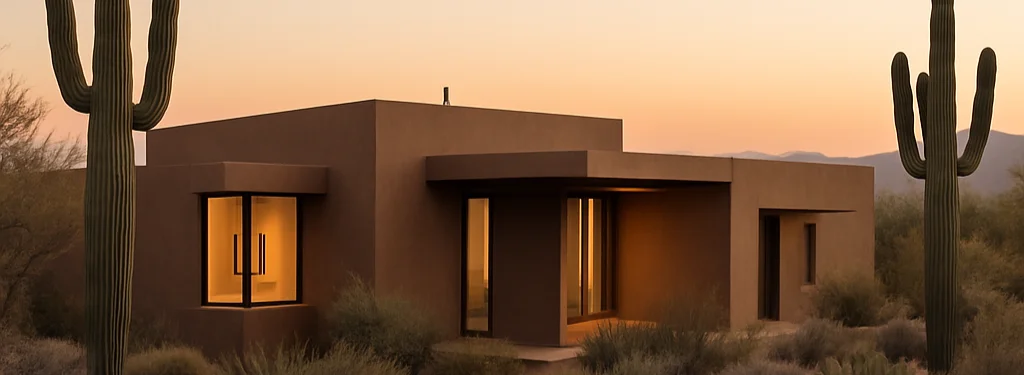
Flat roofs are popular in many East Valley neighborhoods — from newer builds in San Tan Valley and Queen Creek to established homes in Mesa, Gilbert, and Chandler. They handle Arizona’s intense sun well when properly maintained, but monsoon season brings unique risks: sudden heavy rain, strong winds, and blowing debris can quickly turn small issues into major leaks.
Here’s a practical, homeowner-friendly checklist to get your flat or low-slope roof ready before the first 2026 monsoon storm rolls through the East Valley.
Why Flat Roofs Need Extra Attention Before Monsoon
Unlike pitched tile or shingle roofs, flat roofs have minimal natural slope. Water must drain through scuppers, internal drains, or crickets. When those systems clog or fail, water ponds on the surface — and standing water is one of the fastest ways to damage the membrane, seams, or underlying deck.
Intense desert heat already stresses coatings and flashings year-round. Monsoon winds and rain exploit any weak spots.
Pre-Monsoon Flat Roof Checklist for East Valley Homes
1. Clear All Debris and Drainage Paths
- Remove leaves, dust, gravel, seed pods, and any accumulated dirt from the entire roof surface.
- Thoroughly clean scuppers, roof drains, and overflow drains. Valley dust + monsoon rain can turn debris into a solid blockage overnight.
- Check gutters and downspouts (even on flat-roof transitions) and make sure they direct water well away from the foundation.
Pro tip: In areas like Gilbert and Chandler, cottonwood trees and desert landscaping drop a surprising amount of material by late spring.
2. Inspect the Roof Surface and Coating
- Look for cracks, blisters, alligatoring (cracked pattern), or peeling in the elastomeric or acrylic coating.
- Feel for soft spots — these can indicate water intrusion or deck damage underneath.
- Check for areas where the coating has worn thin from years of UV exposure. A reflective coating helps reject heat and extends roof life.
If you see bubbling or exposed membrane, schedule a professional evaluation soon.
3. Examine Flashings and Penetrations
- Inspect all flashing around vents, skylights, HVAC units, plumbing pipes, and parapet walls.
- Look for loose, rusting, or separated metal. Re-seal any gaps with compatible roofing sealant or tape.
- Pay special attention to transitions where the flat roof meets a pitched section (common on many East Valley homes).
4. Check for Ponding and Low Spots
- After any spring rain (or by using a garden hose), walk around and note areas where water stands longer than 48 hours.
- Persistent ponding adds weight, weakens materials, and accelerates leaks.
5. Trim Overhanging Trees and Vegetation
- Cut back any branches that hang over or rub against the roof. Wind can turn them into battering rams during a storm.
- Remove debris that collects near roof edges.
6. Look for Interior Warning Signs
- Check your attic and ceilings for new water stains, musty odors, or nail pops.
- These clues often appear after the previous monsoon and point to hidden vulnerabilities.
(For more on how proper airflow helps your entire roof system, see our guide to attic ventilation basics for Arizona homes.)
When to Call a Professional Roofer
DIY inspection is a great first step, but flat roofs in the East Valley often benefit from a trained eye. We recommend a professional pre-monsoon inspection if:
- Your roof is 10+ years old
- You notice any of the issues above
- You’re unsure about the condition of the coating or flashing
Early repairs are almost always far less expensive than post-storm emergency work.
Stay Ahead of the 2026 Monsoon Season
Taking these steps now can significantly reduce your risk of leaks, interior damage, and costly insurance claims when the storms arrive.
This guide pairs well with our broader Arizona monsoon roof checklist for homeowners across the entire Valley.
If you’re in Mesa, Gilbert, Chandler, Queen Creek, San Tan Valley, or anywhere in the East Valley and would like a no-obligation roof assessment before monsoon season, request a free estimate today.
We’ve helped thousands of East Valley homeowners protect their roofs through our extreme desert climate.